Gas Line Repair & Inspection in East Village, Manhattan
Professional, licensed gas line repair East Village Manhattan services for residential apartment buildings, co-ops, condominiums, and commercial restaurants. From resolving Con Edison red-tag lockouts to conducting certified gas piping inspections, we ensure rigorous code compliance and fuel system integrity.
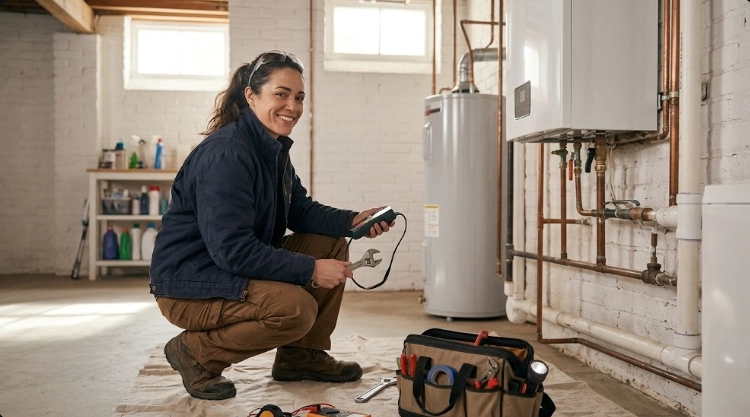
Specialized Gas Piping & Testing Services
Natural gas work in New York City is strictly regulated under the NYC Fuel Gas Code. DIY repairs or unpermitted work are illegal and hazardous.
Gas Line Repair East Village Manhattan
Repairing rusted black malleable iron pipe sections, replacing leaking threaded fittings, installing quarter-turn gas shutoff valves, and resolving Con Edison utility shutoffs and red-tag lockouts safely.
Gas Piping Inspection East Village Manhattan
Digital combustible gas leak detection, bubble leak testing on threaded joints, high-pressure decay testing, and comprehensive code compliance surveys for co-op boards and building owners.
Gas Line Installation for Stove
Certified gas line installation for stove East Village Manhattan apartments. Extending rigid fuel runs, fitting code-compliant safety valves, and installing commercial and residential ranges with proper clearance.
NYC Local Law 152: Mandatory Gas Piping Inspections
Understanding property owner compliance obligations for multi-family residential and mixed-use buildings in Manhattan Community District 3.
What LL152 Requires for East Village Properties
Under New York City Local Law 152 of 2016, all buildings with three or more residential dwelling units (excluding single- and two-family R-3 occupancy) must undergo a comprehensive gas piping inspection once every four years by a licensed master plumber.
The inspection covers all exposed gas lines from the point of utility entry into the basement, through boiler rooms, mechanical shafts, and common corridors, up to tenant spaces. The inspector verifies:
- Absence of natural gas leaks using calibrated electronic detection instruments.
- Structural soundness and freedom from heavy rust or flaking on black iron piping.
- Absence of unapproved flexible corrugated hoses or illegal non-code branch tees.
- Proper pipe hangers, seismic brackets, and identification labeling.
Filing Timelines & Resolving Violations
Following the inspection, the Licensed Master Plumber provides an inspection certification (GPS-1 form) to the building owner within 30 days. The owner must submit this certification to the NYC Department of Buildings (DOB).
If hazardous conditions or active leaks are discovered, the utility must be notified immediately and the line isolated. For non-immediate conditions (such as superficial surface corrosion or missing pipe clamps), the owner is granted 120 days to complete repairs and submit an approved GPS-2 certification.
For buildings where heating or water heating equipment is tied to gas lines, review our boiler repair and water heater repair diagnostics.
Our Diagnostic Testing & Gas Restoration Process
Restoring gas after a Con Edison lockout or conducting scheduled pressure testing requires meticulous procedural execution.
- Electronic Sniffing & Isolation: Pinpointing micro-leaks using intrinsically safe digital gas detectors sensitive to parts-per-million concentrations.
- Pressure Decay Testing: Pumping the isolated gas piping system to 3 PSI or higher using dry nitrogen or air, and monitoring gauge stability over a minimum 30-minute period.
- Permitting & DOB Sign-Off: Filing required DOB plumbing permits for alteration or repair of gas piping systems and scheduling DOB inspections.
- Con Edison Coordination: Submitting Electronic Gas Authorization (EGA) and coordinating the utility turn-on and meter unlock process.
Factors Influencing Project Scope
Gas piping repairs in older East Village properties involve distinct mechanical considerations:
- Piping Material & Accessibility: Pre-war black iron piping buried inside plaster shafts may require selective access; for water tracing, see our hidden water leak detection East Village Manhattan service.
- Multi-Meter Headers: Large basement gas meter banks with individual tenant meters require multi-stage manifold isolation.
- Appliance Hookups & Venting: Verifying make-up air and chimney drafting compliance before relighting pilot lights.
- Emergency Lockout Scope: When Con Edison shuts down a building's main valve, the entire distribution tree must pass pressure testing before gas can be reintroduced.
Need professional gas piping diagnostics, appliance hookups, or LL152 inspection?
Call (315) 202-8009 for ConsultationFrequently Asked Questions About Gas Line Repair
Important safety and compliance answers for East Village residents and property managers.
What immediate steps must I take if I smell gas in my apartment or building?
Evacuate the premises immediately. Do NOT flip light switches, operate appliances, ring doorbells, or use any phone or mobile device inside the building, as tiny electrical sparks can ignite gas vapors. Once outside and safely away from the building, dial 911 or the Con Edison emergency gas line at 1-800-75-CONED (1-800-752-6633). Never attempt to locate or repair a gas leak yourself.
What is NYC Local Law 152 and does it apply to my East Village building?
Local Law 152 (LL152) mandates that all buildings in New York City with three or more residential dwelling units (excluding single- and two-family R-3 homes) undergo a periodic inspection of exposed gas piping once every four years by a licensed master plumber. Inspections verify piping integrity, corrosion levels, and gas tightness.
What is involved in gas line installation for a new kitchen stove?
Gas stove hookups in Manhattan require a rigid black iron supply line, an accessible ball-valve shutoff within 6 feet of the appliance, a code-compliant ANSI Z21.24 flexible stainless steel connector, and a mandatory pressure decay test to verify zero micro-leakage before turning on the gas cock.
How is gas service safely restored after Con Edison locks the meter?
Restoring gas after a utility shutoff requires pulling an NYC DOB plumbing permit, making all required pipe replacements, performing a high-pressure integrity test witnessed by the DOB or documented via an authorized certification, submitting an Electronic Gas Authorization (EGA), and coordinating meter unlock with Con Edison.
Explore Full Mechanical & Plumbing Capabilities
We deliver complete plumbing diagnostic support across Lower Manhattan. Learn about our specialized leak detection East Village Manhattan team, whole-building repiping services, urgent pipe leak repairs, or neighborhood coverage on our Service Areas page.